Cancer Testing
Understand What Your Body Really Needs
HSA/FSA Eligible*

Understand What Your Body Really Needs
HSA/FSA Eligible*

Use your HSA/FSA funds on Insyght Health.
Cancer Testing InSyght Health
The standard medical model is often reactive, identifying cancer only after physical symptoms appear or clinical signs become impossible to ignore. At Insyght Health, we prioritize a shift toward proactive early detection. By utilizing advanced multi-cancer early detection (MCED) technology, we help you look beyond localized, routine cancer screening tests to identify a cancer signal across dozens of cancer types, many of which have no current recommended screening tests or medically established procedures.
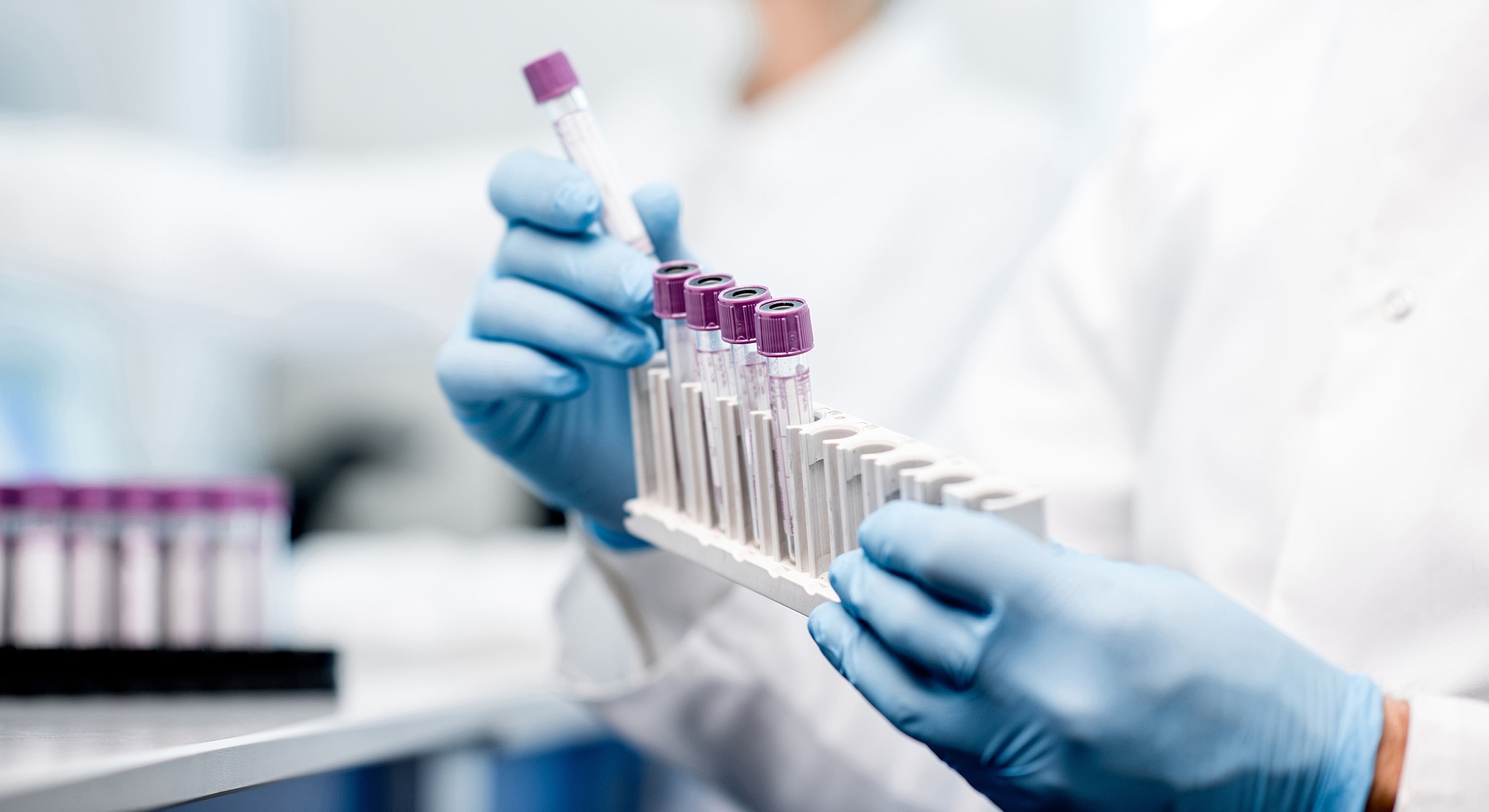
Cancer Health Screening at Insyght Health utilizes a sophisticated liquid biopsy, specifically the Galleri test, to detect DNA fragments in the blood that are shed by cancer cells. This technology identifies a shared cancer signal across over 50 types of cancer with high clinical validation.
Our approach bridges the gap between traditional medicine and the future of bio-optimization. By analyzing the methylation patterns of cell-free DNA, we can detect cancer in its infancy, often before a tumor is large enough to be visualized on an MRI or felt during a physical exam.

Traditional screening methods are often siloed and reactive. You might receive a pap smear or hpv test for cervical cancer, a mammogram to find breast cancer early, or a colonoscopy based on United States Preventive Services Task Force (USPSTF) grade recommendations. While these are essential preventive services, they only cover a fraction of the deadliest cancers. For example, there are currently no routine cancer screening tests for pancreatic, ovarian, or esophageal cancers, which are often caught too late.
Modern cancer research suggests that the most effective way to find cancer in its early stages is to look at the blood. We use the Galleri test, processed at a Grail clinical laboratory, a facility licensed to perform high-complexity testing under the Clinical Laboratory Improvement Amendments (CLIA) and accredited by the College of American Pathologists. This allows us to detect cancer signals across the body with a single draw.


Every cell in your body sheds DNA into the bloodstream. Cancer cells shed a specific type of DNA, cell-free DNA (cfDNA), that carries distinct chemical modifications.
Our cancer screening blood test analyzes these methylation patterns using high-intensity sequencing. In an independent validation set of a large prospective cohort study, this technology demonstrated the ability to detect cancer signals with high specificity. If a cancer signal is detected, the test also predicts the Cancer Signal Origin, helping your healthcare provider determine where to focus a confirmatory diagnostic evaluation. This precision reduces the diagnostic odyssey that many patients face when vague symptoms arise.
It is important to understand the intended use population for this screening.
In clinical validation studies, the MCED approach showed a low false positive rate (less than 1%). However, a false negative is possible, as not all cancers shed enough DNA to be detected at all times. This is why we emphasize that this is a supplement to, not a replacement for, prostate cancer screening or a pap test.

The National Cancer Institute and the American Cancer Society provide the foundation for cancer screening guidelines, but these guidelines often lag behind the latest cancer research.
We move faster. While the Affordable Care Act ensures coverage for basic preventive services, it does not yet account for the leap in multi-cancer early detection. We provide the infrastructure for you to access this technology today.
We don't just provide a test result; we provide a context. Our team integrates these findings into your larger health score. We understand that a No Signal Detected result is a moment of profound peace of mind, but it’s also a baseline for next year. We help you navigate the transition from hoping for the best to knowing the data.

Currently, most health insurance plans and the Affordable Care Act only mandate coverage for routine cancer screening tests like a pap smear, HPV test, or mammogram. Our advanced MCED testing is a private-pay service that reflects the evolution of practice in longevity medicine.
While it can detect cancer signals related to the prostate, it does not replace a PSA blood test for prostate cancer screening. We recommend combining both for the most thorough prostate cancer oversight.
A false negative means the test did not find cancer that may be present. This can happen if the cancer is not shedding DNA. This is why staying current with recommended screening tests and monitoring for new symptoms is vital.
If a signal is found, the lab predicts where the breast, lung, or other cancer types originated with approximately 90% accuracy. This directs your healthcare provider to the correct confirmatory diagnostic evaluation, such as a PET scan or targeted biopsy.
Traditional cancer screening tests are called screening because they look for one specific disease in one specific organ. MCED is a pan-cancer approach, seeking detectable cancer across the entire body simultaneously using a single blood test.
For most individuals in our intended use population, we recommend this as part of an annual routine cancer screening protocol. Consistency allows us to track your genomic health over time.
A cancer signal detected result is not a cancer diagnosis. It is an indication that you need further testing to confirm cancer or rule it out. Our team will guide you through the medically established procedures required for follow-up.
Your future is shaped by the choices you make today.
With InSyght Health, you gain the clarity and tools to take control of your energy, focus, and longevity. Building measurable, lasting health on your terms, coming soon.